
The demand for XL blue nose pitbull puppies has surged dramatically over the past few years, driven by their striking appearance and reputation as loyal companions. However, finding a healthy, well-bred puppy requires far more research than most buyers realize. This comprehensive guide cuts through the marketing hype to help you make an informed decision about whether these dogs are right for you and how to find a responsible breeder.
Understanding XL Blue Nose Pitbulls: What You’re Actually Buying
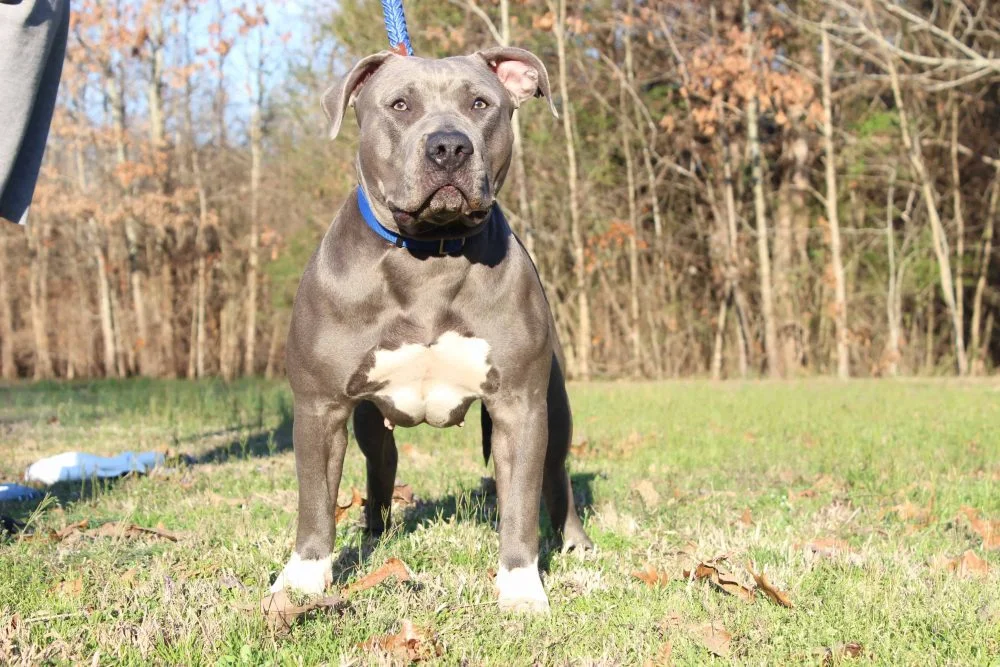
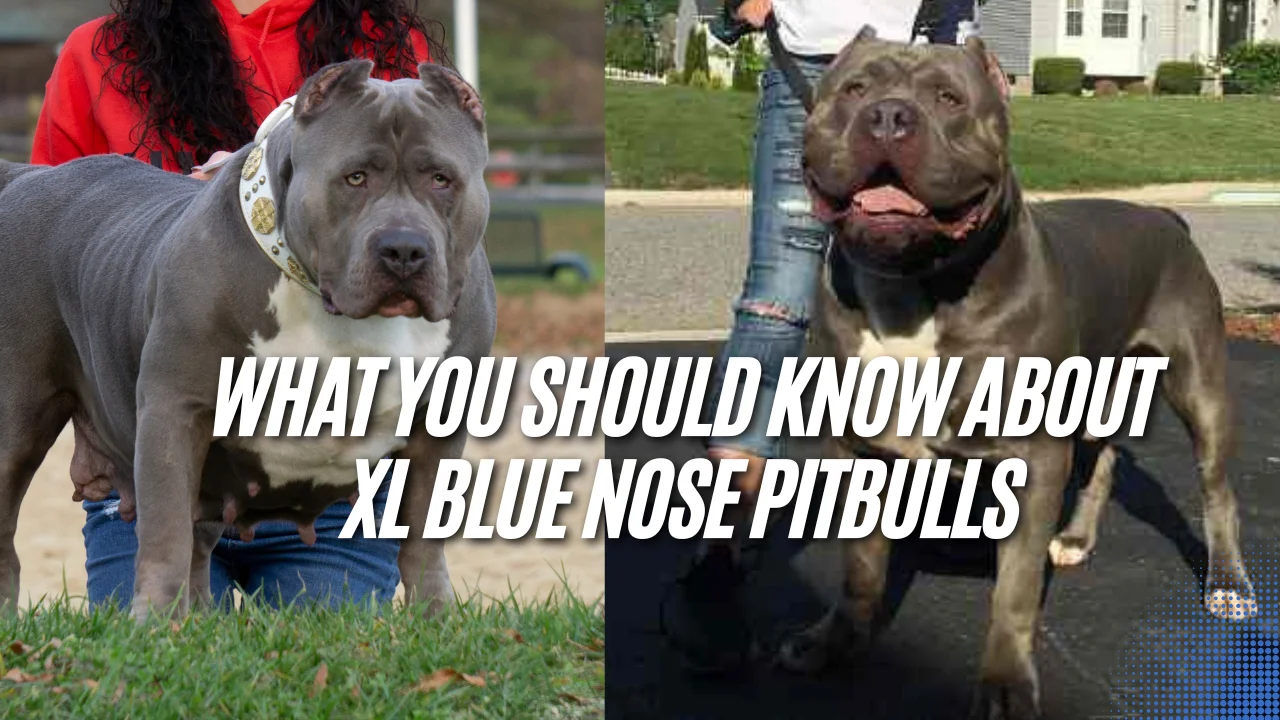
Before you start your search for blue nose pitbull puppies for sale, it’s essential to understand what these terms actually mean. The “blue nose” designation refers to a dilute black coat gene that produces a gray or blue-tinted coat and matching nose leather. This is a color variation, not a separate breed or type. The recessive dilution gene must be inherited from both parents for the blue coloring to appear.
The “XL” designation is more problematic. Unlike established breed standards recognized by major kennel clubs, there is no official size classification for XL American Bully or Pitbull-type dogs. The term typically refers to dogs bred to exceed the standard American Bully size, often weighing between 80 and 150 pounds or more. However, individual breeders define “XL” differently, which means the puppy you’re considering may be significantly larger or smaller than you expect at maturity.
This size ambiguity creates real challenges for buyers. Some breeders of XL blue nose pitbull puppies prioritize mass and height above all else, sometimes at the expense of proper structure, health, and temperament. Others use the XL label as a marketing tool for puppies that will mature to average or even below-average size. Understanding this distinction is your first step toward finding a quality puppy.
The Health Reality: What Responsible Breeders Test For
Health testing separates reputable breeders from backyard operations and puppy mills. When evaluating blue nose American bully puppies or similar dogs, insist on seeing documentation for both parents. At minimum, responsible breeders should provide Orthopedic Foundation for Animals (OFA) or PennHIP evaluations for hip dysplasia, elbow dysplasia screening, and cardiac examinations.
Hip dysplasia remains particularly common in larger bully breeds. This genetic condition causes the hip joint to develop improperly, leading to arthritis, pain, and mobility problems. OFA grades hips as Excellent, Good, Fair, Borderline, Mild, Moderate, or Severe. Only dogs with Excellent, Good, or Fair ratings should be bred. PennHIP provides a distraction index score, with lower numbers indicating tighter, healthier hips. Breeders who skip this testing are gambling with your future dog’s quality of life and your financial investment.
The dilute gene that creates the blue coloring also carries health implications. Color dilution alopecia (CDA) affects some dogs with dilute coat colors, causing hair loss, skin infections, and chronic itching. While not all blue nose pitbulls develop CDA, the condition has no cure and requires lifelong management. Ethical breeders acknowledge this risk and screen their breeding stock for skin issues across multiple generations.
Skin allergies plague many bully breeds regardless of color. Environmental allergies, food sensitivities, and contact dermatitis can require extensive veterinary care, specialized diets, and medication. Before committing to XL bully puppies for sale, budget for potential allergy testing and management costs ranging from $200 to $2,000 or more annually for affected dogs.
Heart conditions including congenital heart disease occur in some bully bloodlines. Responsible breeders have breeding dogs examined by board-certified veterinary cardiologists and can provide documentation of cardiac clearances. This testing matters because some heart defects don’t manifest symptoms until dogs reach maturity, long after you’ve brought your puppy home.
Temperament and Socialization: The Foundation of a Good Pet
The temperament of XL blue nose pitbull puppies depends heavily on genetics and early socialization. Despite their intimidating appearance, well-bred dogs from quality lines should be confident, friendly, and stable around people. Human aggression is considered a serious fault in properly bred American Bullies and Pitbull-type dogs. If a breeder tells you their dogs are “protective” or “aggressive toward strangers,” consider this a major red flag.
Responsible breeders begin neurological stimulation exercises within the first few days of life using protocols like Puppy Culture or the Super Dog program developed by the military. These early experiences create puppies better equipped to handle stress and novel situations throughout their lives. Breeders should provide documentation of their socialization program, including exposure to different surfaces, sounds, people, and environments before puppies go home at eight weeks minimum.
The parents’ temperaments matter tremendously. Insist on meeting at least the mother, ideally both parents if the father is on-site. Watch how they interact with the breeder, strangers, and other dogs. Nervous, reactive, or aggressive parent dogs frequently produce puppies with similar traits. No puppy is cute enough to overlook problematic parent temperaments.
Early training begins before you bring your puppy home. Quality breeders introduce crate training, basic handling for grooming and veterinary care, and even preliminary potty training. These early lessons make your transition much smoother. When evaluating blue nose bully puppies, ask breeders specifically what training foundation they provide and what behaviors you can expect from an eight-week-old puppy.
Finding Reputable Breeders: Green Flags vs. Red Flags
The search for XL blue nose pitbull puppies requires diligence, as the market is flooded with irresponsible breeders. Start by identifying green flags that signal ethical breeding practices. Reputable breeders belong to breed clubs, participate in dog sports or shows, and maintain relationships with other established breeders. They health test breeding dogs extensively and can provide copies of all results. Their facilities are clean, dogs appear healthy and well-socialized, and they ask you as many questions as you ask them.
Quality breeders limit litter frequency, typically producing only one or two litters per year per female. They don’t breed females on consecutive heat cycles and retire breeding dogs at a reasonable age. Puppies remain with their mother and littermates until at least eight weeks, with many breeders keeping them until 10 or 12 weeks for additional socialization and training. These breeders provide written contracts that specify health guarantees, return policies, and spay/neuter requirements for pet-quality puppies.
Red flags should send you running in the opposite direction. Breeders with multiple litters available at all times are operating puppy mills or large-scale commercial operations that prioritize profit over dog welfare. Those who won’t let you visit their facility, meet parent dogs, or see where puppies are raised have something to hide. Breeders who pressure you to buy quickly, offer significant discounts for immediate purchase, or accept payment only through untraceable methods are scamming buyers.
Be extremely wary of breeders advertising blue nose pitbull puppies for sale at suspiciously low prices. Quality breeding is expensive. Health testing alone costs $500 to $1,500 per dog. Add prenatal and postnatal veterinary care, high-quality nutrition, puppy vaccinations and deworming, microchipping, and registration, and responsible breeders invest $2,000 to $5,000 or more per litter before puppies even go home. Puppies priced at $500 to $1,000 almost certainly come from breeders cutting corners on health, care, or both.
Conversely, extremely high prices don’t automatically indicate quality. Some breeders charge premium prices based solely on color, size, or pedigree names without providing commensurate health testing or care. Ask what justifies the price. Can they show you specific health clearances, championship titles, or performance accomplishments that demonstrate breeding stock quality? Or are they simply charging what the market will bear for trendy coloring?
The True Cost of Ownership
The purchase price represents just the beginning of your financial commitment to XL blue nose pitbull puppies. First-year costs typically range from $3,000 to $6,000 when you factor in all expenses. Initial veterinary care including remaining puppy vaccinations, spay or neuter surgery, and wellness exams runs $500 to $1,500 depending on your location. Training classes, which are essential for these powerful dogs, cost $200 to $500 for basic obedience courses, with private training running significantly higher if needed.
Quality nutrition matters tremendously for large, fast-growing puppies. Premium large-breed puppy food designed to support healthy growth costs $80 to $150 monthly for XL puppies. Don’t skimp here—cheap food containing inappropriate protein levels, poor-quality ingredients, or incorrect calcium-to-phosphorus ratios contributes to developmental orthopedic disease in large dogs. Feed too much or use formulas designed for smaller breeds, and you risk accelerated growth that damages developing joints.
Equipment and supplies add up quickly. These strong dogs require heavy-duty collars, harnesses, and leashes. Plan to spend $200 to $400 on quality equipment that won’t fail when your 100-pound dog spots a squirrel. Crates large enough for XL breeds cost $150 to $300. Beds, toys, grooming supplies, and other essentials easily add another $300 to $500 initially.
Ongoing annual expenses continue throughout your dog’s life. Routine veterinary care including wellness exams, vaccinations, heartworm prevention, and flea/tick control runs $800 to $1,500 yearly. Food costs remain high throughout adulthood. Insurance premiums for large bully breeds average $80 to $150 monthly, though rates vary based on coverage level and your dog’s health history. Many homeowners insurance companies either exclude bully breeds entirely or charge higher premiums, sometimes adding $500 to $2,000 annually to your costs.
Emergency veterinary care represents the biggest wildcard expense. Hip dysplasia surgery can exceed $5,000 per hip. Bloat, a life-threatening condition requiring emergency surgery, costs $2,000 to $5,000 to treat. Even less catastrophic issues like skin infections, ear problems, or minor injuries can run hundreds or thousands of dollars. Financially, you need either pet insurance, a dedicated savings account with several thousand dollars reserved, or the ability to charge unexpected veterinary bills to credit without financial hardship.
Legal and Insurance Considerations
Before bringing home XL blue nose pitbull puppies, research local laws and regulations. Some jurisdictions classify American Bullies or Pitbull-type dogs as dangerous or restricted breeds, imposing special requirements including mandatory spay/neuter, liability insurance, secure fencing, muzzling in public, or outright bans. Breed-specific legislation (BSL) exists in hundreds of US cities and counties, though specifics vary widely.
Certain countries including the United Kingdom have banned XL Bully breeding, ownership, and importation entirely as of 2024. Other countries impose strict requirements. If you travel internationally with your dog or plan to relocate, research destination country regulations well in advance. Some places require extensive documentation, quarantine periods, or make entry impossible for restricted breeds.
Homeowners and renters insurance often exclude or restrict coverage for specific breeds. Some companies refuse coverage entirely if you own a Pitbull, American Bully, or related breed. Others charge significantly higher premiums or require additional liability coverage. Contact your insurance company before purchasing a puppy to understand coverage implications. If your current insurer won’t cover you, specialized companies offer canine liability insurance, though premiums can be substantial.
Rental housing poses another challenge. Many landlords and property management companies prohibit bully breeds regardless of individual dog temperament or training. Even if your current rental allows your dog, moving later may prove extremely difficult. If you rent, get written permission from your landlord before bringing home a puppy, and understand that this may significantly limit your future housing options.
Exercise, Training, and Lifestyle Requirements
XL blue nose pitbull puppies grow into powerful, energetic dogs requiring significant daily exercise. Plan for at least 60 to 90 minutes of physical activity daily, including walks, play sessions, and mental enrichment. These dogs excel at many activities including weight pulling, obedience, agility, and dock diving. Without adequate exercise and mental stimulation, they become bored, destructive, and frustrated.
Early training is non-negotiable. These dogs will reach 80 pounds or more as adults, with strength far exceeding their weight. A poorly trained 100-pound dog that pulls on leash, jumps on people, or exhibits other behavior problems becomes a serious liability. Positive reinforcement training works best for these people-oriented dogs. Harsh corrections or punishment-based training damages the human-dog bond and can create fear or defensive aggression.
Socialization must continue throughout your dog’s first two years minimum. Expose your puppy to hundreds of different people, dogs, environments, and situations using positive experiences that build confidence rather than fear. Undersocialized bully breeds may develop fear-based reactivity or aggression as they mature, particularly during adolescence between six and eighteen months. These issues require extensive professional intervention to manage.
Consider your lifestyle honestly before committing to blue nose XL bully puppies. Do you work long hours away from home? These social dogs suffer when left alone for extended periods. Do you have young children? Bully breeds can be wonderful with kids, but a rambunctious 100-pound puppy may accidentally knock over small children during play. Are you prepared to handle public perception? Walking a large, muscular bully breed inevitably attracts attention, and not all of it is positive.
Physical limitations matter too. Can you control an 80 to 150-pound dog with significant pulling power if it spots a cat or squirrel? Can you safely transport a dog this size for veterinary emergencies or evacuations? Do you have space for a giant crate, large bed, and adequate exercise area? These practical considerations significantly impact quality of life for both you and your dog.
Health and Longevity Expectations
XL blue nose pitbull puppies typically live 8 to 12 years when well-bred and properly cared for. However, lifespan correlates strongly with size—the largest dogs often have shorter lives than moderately sized dogs. Extreme size exacerbates orthopedic problems, increases cardiac stress, and contributes to earlier onset of age-related health issues.
Beyond the conditions mentioned earlier, these dogs face increased risk of cruciate ligament tears, a painful and expensive injury requiring surgical repair costing $3,000 to $5,000 per knee. Their deep chests make them more susceptible to gastric dilatation-volvulus (bloat), a life-threatening emergency where the stomach twists on itself. Bloat requires immediate surgical intervention and can be fatal even with treatment.
Cancer rates in bully breeds appear similar to other large dogs, with lymphoma, mast cell tumors, and hemangiosarcoma among the most common forms. Treatment options range from palliative care to aggressive chemotherapy or surgery, with costs varying from hundreds to tens of thousands of dollars depending on cancer type and chosen treatment approach.
Establishing a relationship with a veterinarian experienced in large breed dogs before problems arise is essential. Annual wellness exams help catch issues early when they’re most treatable. Maintaining lean body condition throughout your dog’s life reduces stress on joints and supports longevity. Even a few extra pounds on a large-framed dog significantly increases orthopedic disease risk.
Alternatives and Considerations
If the health risks, insurance challenges, legal restrictions, or size concerns give you pause, consider related but less extreme alternatives. Standard American Bullies typically weigh 65 to 85 pounds and face fewer structural issues than XL dogs. Classic American Bullies have less exaggerated features and often healthier structure. American Staffordshire Terriers from responsible breeders offer similar temperament in a more moderate package.
Color shouldn’t drive your decision. Blue nose American bully puppies may be trendy, but black, fawn, brindle, or white dogs from the same bloodlines possess identical temperaments and often fewer color-related health concerns. Broadening your color preferences significantly expands your options for finding a healthy, well-bred puppy.
Mixed breed bully-type dogs in shelters and rescues need homes too. While you sacrifice predictability in size and temperament, many shelter dogs prove to be excellent companions. Rescue organizations specializing in bully breeds can help match you with a dog meeting your lifestyle requirements and may provide training support and health information not available for many shelter dogs.
Making Your Final Decision
Finding quality XL blue nose pitbull puppies requires patience, research, and careful breeder evaluation. Expect to wait several months or longer for a puppy from top breeders. This waiting period is actually a green flag—breeders with immediate availability in every color, size, and gender are probably operating puppy mills or breeding indiscriminately.
Visit multiple breeders before making a decision. Compare facilities, dog health and temperament, and breeder knowledge. A great breeder educates buyers honestly about breed challenges and willingly answers tough questions. They match puppies to families based on temperament compatibility rather than simply letting buyers choose the cutest face.
Read contracts carefully before signing. Understand health guarantee terms, what conditions are covered, time limits for filing claims, and whether guarantees require specific veterinary protocols or feeding regimens. Know what happens if you can no longer keep your dog—reputable breeders require dogs be returned to them rather than surrendered to shelters.
Budget realistically for lifetime ownership costs. The puppy price is a small fraction of what you’ll spend over 10-plus years. If stretching to afford the initial purchase price, you’re not financially prepared for the ongoing and emergency costs of owning a large, potentially high-maintenance breed.
Conclusion
XL blue nose pitbull puppies can make devoted, affectionate companions in the right homes with owners prepared for the commitment. However, the breeding world is full of irresponsible breeders producing unhealthy dogs with poor temperaments. Success requires educating yourself, prioritizing health and temperament over appearance, and choosing breeders who invest in producing sound, stable dogs rather than simply capitalizing on color and size trends.
The best puppy won’t necessarily be the biggest, bluest, or most expensive. It will be the healthiest, best-socialized puppy from the most ethical breeder you can find. Take your time, ask hard questions, and be willing to walk away from situations that raise red flags. The difference between a well-bred puppy and a poorly bred one may not be apparent at eight weeks, but it will dramatically impact the next decade of your life.