

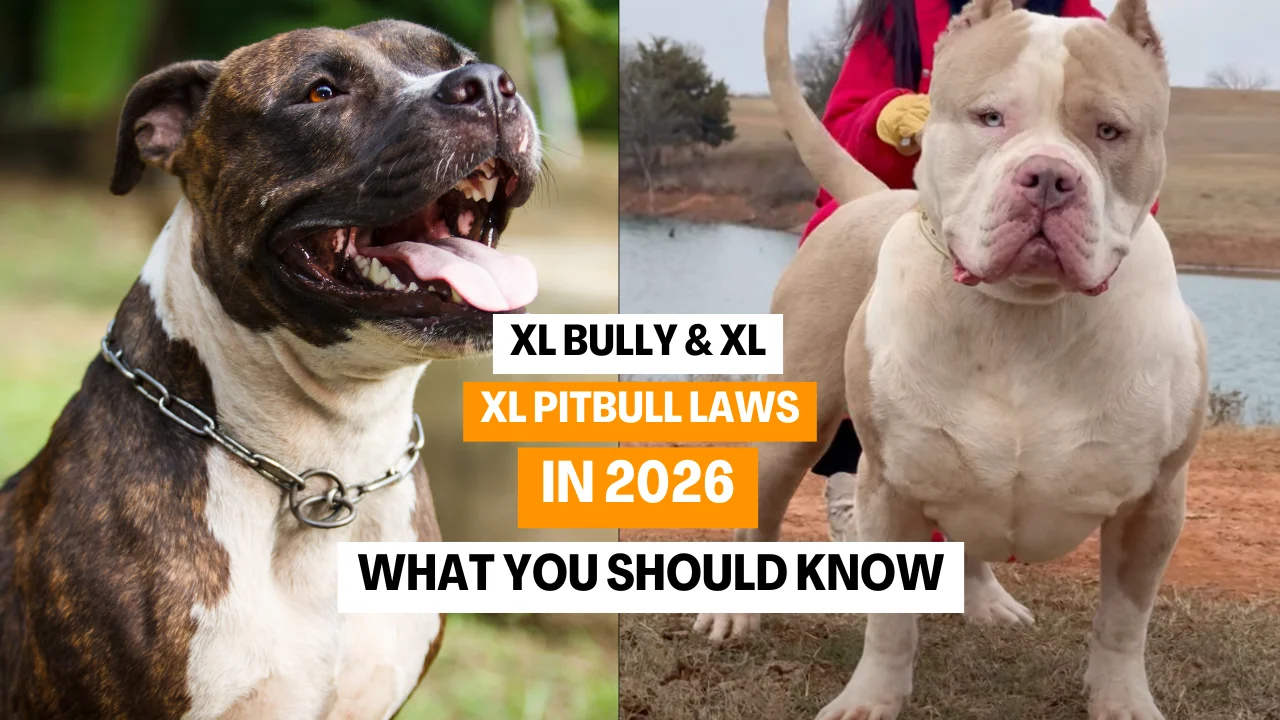
Introduction: Why XL Bully Laws Are Back in the News in Early 2026
In January 2026, international headlines once again brought XL Bully-type dogs into the public spotlight after renewed legal proceedings in Ireland and the United Kingdom related to past attacks and enforcement of breed-specific legislation. While many of these incidents occurred years earlier, their resurfacing in court and media has reignited debate around regulation, ownership responsibility, and the future of XL Bully and XL Pitbull dogs worldwide.
For breeders and owners in the United States, these stories raise an important question: Do international XL Bully laws affect us, and what should responsible owners know in 2026?
This article breaks down the current legal landscape, explains what is actually changing, and clarifies what responsible ownership looks like moving forward.
Understanding Breed-Specific Legislation (BSL)
Breed-specific legislation refers to laws that regulate or restrict dogs based on physical characteristics rather than individual behavior. In recent years, XL Bully-type dogs have been added to restricted lists in parts of the UK and Europe.
These laws often require:
- Mandatory registration or exemption certificates
- Strict leash and muzzle use in public
- Prohibitions on breeding, selling, or rehoming
- Severe penalties for non-compliance
While controversial, these laws continue to shape public perception globally.
What Has Changed Since Late 2025
Although no new sweeping bans were introduced in early 2026, enforcement has increased. Legal cases referenced in January reporting show authorities pursuing accountability not just for dogs, but for owners and housing authorities involved in past incidents.
This signals a shift: governments are emphasizing liability and enforcement, not simply breed bans.
Does This Affect XL Pitbull Ownership in the United States?
Short answer: No federal law bans XL Pitbulls in the U.S.
However, owners should understand:
- Some cities enforce dangerous dog ordinances
- Insurance requirements may apply to large breeds
- Homeowner associations may impose restrictions
In nearly all cases, enforcement focuses on behavior, containment, and owner responsibility, not genetics alone.
Why Ethical Breeding Is More Important Than Ever
As international scrutiny increases, ethical breeders set the tone for the entire community. Responsible breeding in 2026 means:
- Health testing and genetic transparency
- Temperament-first selection
- Early socialization protocols
- Buyer education and follow-up
At XL Pitbull Puppies, responsible breeding is about long-term stability, not short-term demand.
How Owners Can Protect Themselves and the Breed
Responsible ownership includes:
- Professional obedience training
- Secure fencing and containment
- Public leash discipline
- Understanding local laws
These actions protect not just families, but the future of the breed itself.
Final Thoughts
International laws may dominate headlines, but the real story in 2026 is accountability. Well-bred dogs, educated owners, and ethical breeders remain the strongest defense against harmful regulation.
Share This Story
Found this helpful?
Share this XL Bully guide with another owner, buyer, or breeder who may need it.